Sidewalk Semiotics: Turning the Corner Store Into a Translation Seminar
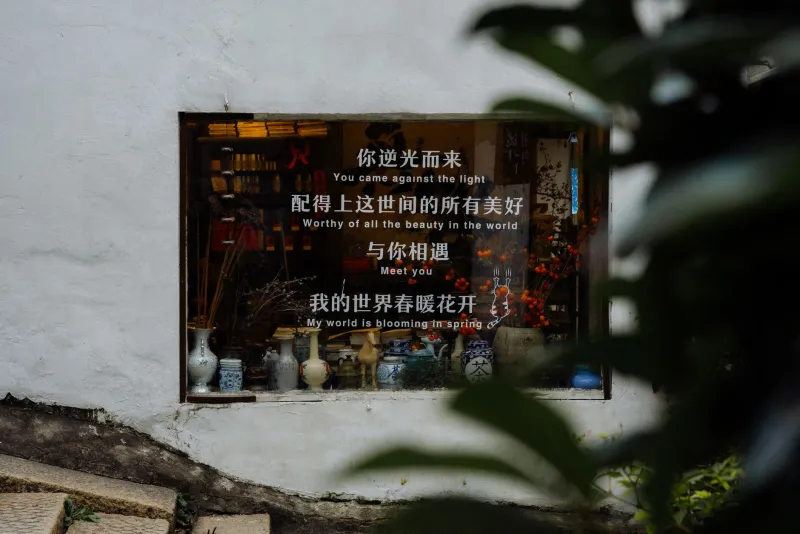
I have a confession about how I learned to read a city. It wasn't in a seminar room. It was in the parking lot of a strip mall in the East Bay, standing in front of a sign that said three things in two languages and appeared to disagree with itself.
The English version promised something. The Chinese version promised something slightly different—not contradictory, exactly, but warmer, more specific, the way a friend's directions differ from a map's. I stood there long enough that a man loading groceries asked if I was lost. I wasn't. I was reading.
That sign taught me more about context than a stack of theory ever did.
The Two-Language Walk
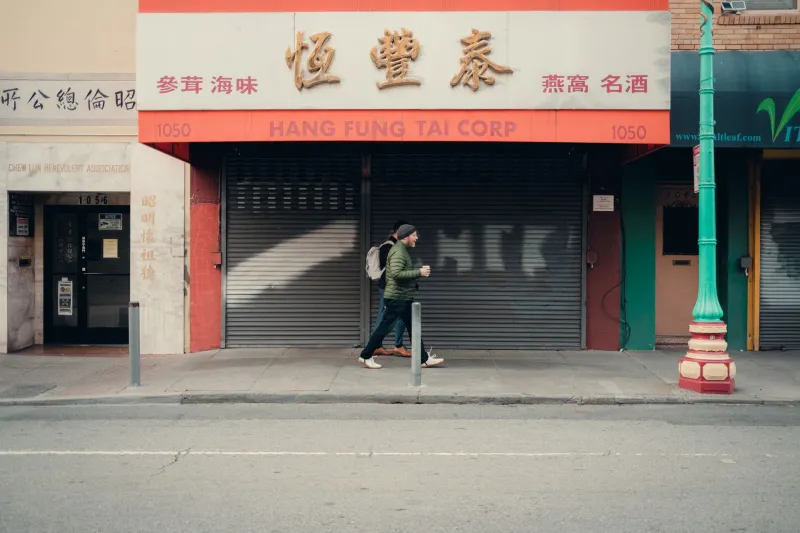
Here's the practice, and it costs nothing. Pick a neighborhood in your city where English is not the only language on the walls. Chinatown, a Vietnamese corridor along a boulevard, the blocks where Spanish-language church notices are taped inside the laundromat window, the pharmacy that posts its hours in Arabic and English and neither version quite matches the hours it actually keeps.
Walk it slowly. Slower than you think you need to. Your only job is to notice where two languages show up in the same frame.
They almost always do, and they almost always disagree in some small way. That disagreement is the whole point.
Take the restaurant menu taped to the door. The English column is a summary. The Vietnamese column is a conversation. The Chinese version of a shop's name may be the actual name; the English may be a pragmatic accommodation for the zoning board. A church notice in Spanish announces a quinceañera; the English notice beside it advertises a food drive. Same wall, same glue, two different communities being spoken to.
Once you see this, you cannot unsee it. The street becomes a document with marginalia in every direction.
What the Street Teaches That the Book Cannot
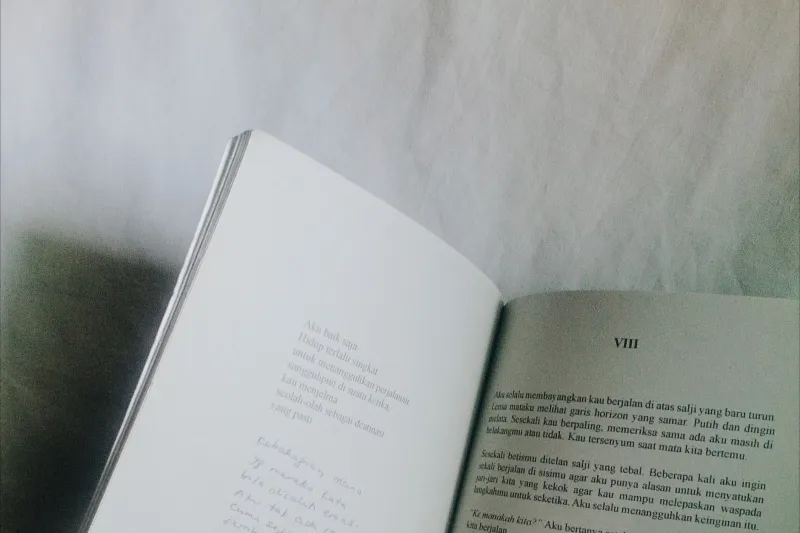
A poetry collection gives you a translation already finished, already smoothed. Whatever arguments happened in the making of it have been resolved or hidden. The street gives you the argument itself.
Three lessons show up again and again.
Context is not decoration. A sign that says Farmacia next to one that says Pharmacy is telling you who it expects to walk in and what they expect to find. The choice to translate, to not translate, or to translate halfway is a decision about audience made by someone who had to guess. Poets make the same guess every time they choose a register. The street just makes the guess visible.
Audience is plural whether you like it or not. No storefront speaks to one person. It speaks to the regular, the tourist, the inspector, the kid sent out for milk. A translated poem does the same thing, and translators who pretend otherwise write for an imaginary single reader. Stand in front of a bilingual menu long enough and you feel the plural crowd.
Humility is a craft skill. You will misread things. You will guess the wrong language on a hand-lettered sign. You will think a character is a name when it is a warning. Being wrong in public, on a sidewalk, with no stakes at all, is the best inoculation against the fear of being wrong later, when it matters more. The translator's errata page starts here, on the pavement.
The Notebook Exercise
Bring a small notebook. Not your phone. The phone turns everything into a photograph and photographs don't think.
Spend forty minutes. Note five bilingual (or multilingual) encounters. For each one, record four lines:
- What it said in each language, as best you can capture it—characters, accents, spelling errors and all. Don't fix anything.
- Who it seemed to be speaking to in each version. Be specific. The grandmother who does the shopping is better than the community.
- What changed between versions. A word added. A tone softened. A price omitted. A name kept untranslated. A name translated when it shouldn't have been.
- A question you'd have to ask a human to answer. This is the most important line. Not a question a dictionary can settle. A question about intention, habit, history, or the landlord.
That fourth line is where a poem starts.
From Wall to Page
When you get home, pick one encounter. Write a poem that lives in the gap you found—not a poem about the sign, but a poem structured like the sign: two versions of the same address, one of them slightly wrong, both of them honest.
You'll find you can't fake it. The street has already done the hard part. It gave you a real disagreement between two ways of saying a thing, and your job is simply to honor the disagreement rather than resolve it.
This is what I mean when I say local language encounters teach things books cannot. Books hand you the finished negotiation. The neighborhood hands you the negotiation still in progress, still taped to the glass, still being argued over by everyone who walks past.
So walk. Read twice. Take notes. The seminar is already in session, and it doesn't charge tuition.