Owning the Errata: A Translator's Field Guide to Getting It Wrong in Public

The note came from a reader I have never met. She had found a mistake in a line I translated from Chinese, a single character that changed the subject of a verb. She was kind about it. I was not calm. My first impulse was to explain the choice, then to explain the constraint, then to explain why the constraint made the choice inevitable. All of that may have been true. None of it was the point.
A published translation is a public act. The moment the book leaves the warehouse, the translator's private struggle becomes a shared object. When a reader catches an error, they are not attacking the poem. They are doing the maintenance work that keeps the poem alive in another language. The translator's job is to meet them with the same seriousness.
So this is not a lecture from someone who has never blown it. It is a field guide from someone who has, and who has watched other translators handle corrections well and badly. The difference is rarely talent. It is process.
First, Breathe and Check the Line
Do not reply from the ego. The first reply should be a question, not a defense. Go back to the source text. Check the dictionary, the commentary, the variant, the line break, the register. Ask a colleague who knows the language better than you do. If the reader is right, say so quickly. If the reader is wrong, gather your evidence before you say anything at all. A fast wrong correction is worse than a slow right one.
Thank the Reader Where They Can See It
If the correction came privately, ask permission to thank the reader publicly. If it came in a review or on social media, answer in public with a short note: You are right. Thank you. Here is what happened and what I will do. Avoid the word but. The word but is where apologies go to die. A public apology is not a performance. It is maintenance.
Match the Fix to the Size of the Error
Not every mistake requires the same response. A typo gets a quiet correction in the next printing. A wrong word gets an errata note. A pattern of errors gets a longer statement and a conversation with the publisher. A structural misunderstanding might need a note in the next edition, or a new preface, or, in rare cases, a decision not to reprint. Do not rewrite the whole book in a panic. Do not minimize a real problem either. Readers can tell the difference between a translator who is being careful and one who is being managed.
Make the Correction Findable
A correction that lives only in an email thread is a rumor. Put it somewhere public. I keep a corrections page on my website, and I ask publishers to include an errata note in reprints when the error is substantial. In 2026, when a screenshot can travel farther than a book review, findability matters. The goal is not to shame yourself. The goal is to make the poem's current state visible to the next reader.
Tell the Poet and the Publisher
If the poet is living, tell them before the internet does. If the poet is not, tell the estate or the editor who trusted you with the work. This is not bureaucracy. It is the actual contract of translation. The poet's trust is the real advance. The publisher's schedule is not an excuse to hide a problem.
Do Not Argue With the Reviewer in the Comments
The comments section is not a workshop. If a reviewer is wrong, say so once, in a short public note or a private email, and then stop. You can be right and still make the poem smaller by turning a correction into a feud. The translation world in the US is small. Word travels through AWP hallways, bookstore readings, and group chats. Protect the work by protecting the room around it.
Keep a Corrections Log
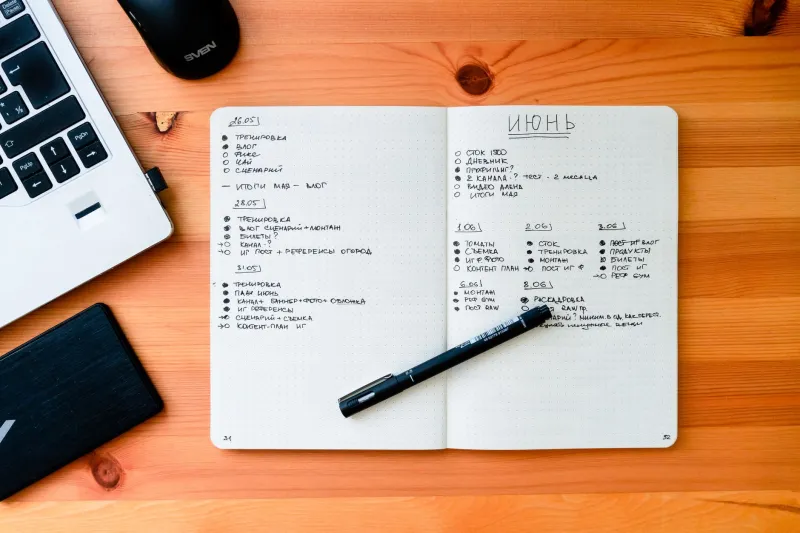
I keep a running document of every correction I receive, whether or not I accept it. It has become a teaching tool. In workshops, I show students the difference between a typo, a bad ear, and a bad reading. The log also reminds me that translations are not finished objects. They are versions with a public life. The errata sheet is part of the translation's biography.
What This Does for the Work
Transparency builds trust. Readers forgive errors. They do not forgive contempt. A public apology is not a confession of failure. It is a demonstration that the poem is being cared for by a person who can still learn. That is the whole job.
So when the next email comes, and it will, I hope I answer faster, thank louder, and fix the line. The poem deserves a translator who is still paying attention.