Show Your Work: Why Translation Notebooks Belong in Public
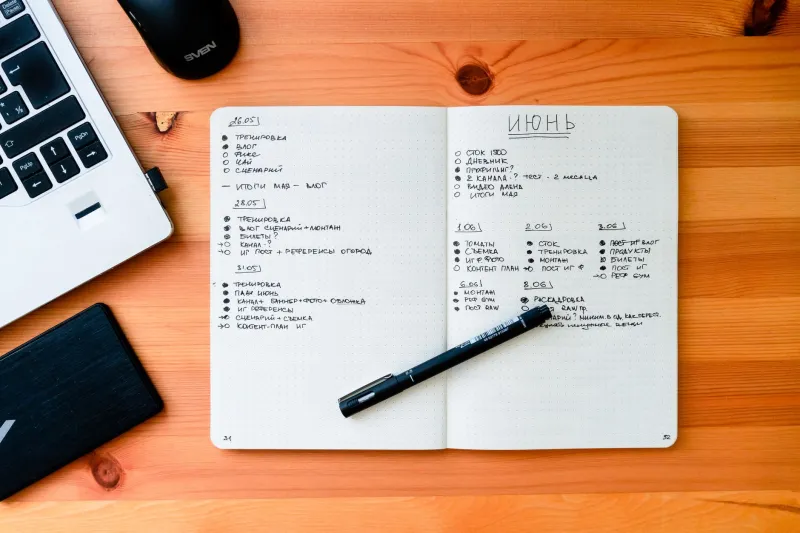
Here is a thing I have come to believe after years of keeping a site with a projects in progress section: the finished poem is not the only thing worth publishing. The draft is not a shameful secret. The variant line is not clutter. The abandoned attempt is not a failure to be hidden until the biography. For translators especially, the working notebook is part of the work.
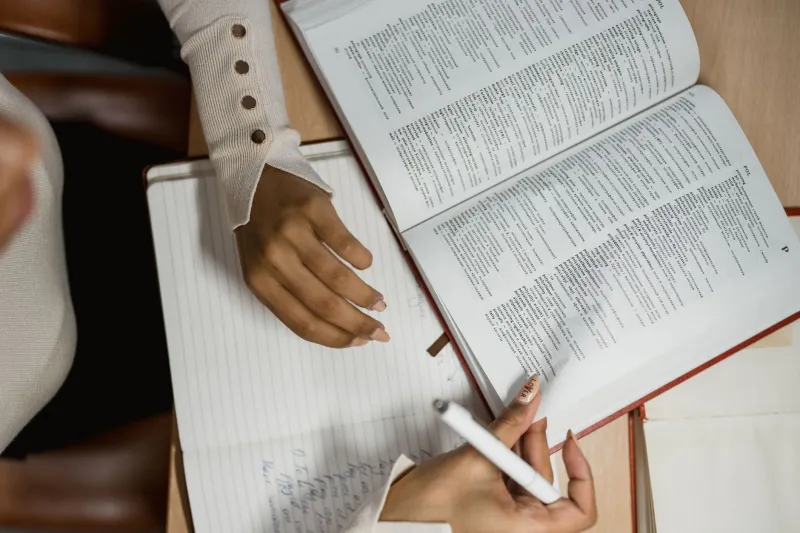
American poetry culture loves the workshop. We talk about revision constantly. We ask each other what changed between drafts. Then we publish only the polished result and pretend the workshop never happened. Translation gets hit especially hard by this habit, because readers often assume a translated poem arrived fully formed, like a piece of furniture from another country. It did not. It arrived through a series of decisions, some of them bad, some of them lucky, some of them made at 11 p.m. with a dictionary open and a sentence refusing to cooperate.
The finished poem is a closed door
A finished poem is a beautiful thing. I am not arguing against it. The finished poem has authority, shape, and the pleasure of arrival. But authority can also be isolating. When a reader opens a translated book and sees only the final text, they may assume the translator had a direct line to the original. They may assume there was one obvious way to render the line. They may assume the poem was always this smooth in English.
An open notebook says otherwise. It says: here is the line I tried first. Here is why it failed. Here is the version that was more accurate but dead on the page. Here is the version that was less accurate but alive. Here is the note from a friend that made me rethink the whole stanza. This is not noise. This is the actual texture of translation.
What an open notebook actually shows
A good public notebook does not need to be a data dump. It can be small and deliberate. Show one stanza with three versions. Show a single word you could not solve. Show the line you cut because it was beautiful and wrong. Show the note you wrote to yourself at the bottom of the page: check the verb again; ask whether the speaker is inside or outside; do not make the moon do more than it does.
That kind of presentation gives US readers something the finished poem cannot: a sense of scale. They see how many small decisions make up a page. They see that translation is not a magic trick but a craft. And they get to enjoy the poem twice, once as a finished object and once as a record of attention.
The ethics of showing unfinished work
Publishing drafts requires care. An unfinished translation is not an invitation to treat the translator's guesses as authoritative. Label everything. Use clear words: draft, working version, variant, abandoned attempt, not for citation. Date the entries if you can. Say what stage the work is at. If a line is provisional, call it provisional. If you are working from a source text you do not have rights to reproduce, quote only what you need and link to the source. If you are collaborating, get permission before you publish someone else's notes, suggestions, or alternate lines.
There is also the matter of the original poet. A draft notebook should not imply that the original poem is up for grabs. It should show respect for the source, even while showing the translator's uncertainty. In the US, we are used to the confessional mode, but not every working note needs to become a confession. A draft is not a diary. It is a document. Present it as one.
How to publish a draft without confusing readers
The simplest method is a two-column or stacked layout: final line on one side, working versions on the other, with a short note explaining what changed. Another method is the annotated scroll: publish the finished translation, then add a separate page of process notes. A third method is the serial notebook: post one problem per week, with the source line, your attempts, and what you learned. That last one works especially well for a site built around projects in progress, because it turns process into a rhythm rather than a single confession.
Whatever form you choose, keep the finished poem available. The reader should not have to dig through a pile of drafts to find the poem they came for. The notebook should be a side room, not a maze. Give the reader a clean door into the finished work, and a second door into the workshop.
What US readers gain
In 2026, when so much of our reading happens in feeds and fragments, there is something satisfying about seeing a poem take shape. American readers are curious about process. They watch behind-the-scenes videos, read annotated editions, listen to directors' commentaries. Poetry translation has been slower to invite them in. That is a loss for everyone.
An open notebook also makes translation less mysterious and more discussable. It gives teachers something to use in the classroom. It gives reviewers a way to talk about choices without pretending to be judges. It gives other translators permission to admit that they, too, get stuck. And it gives readers a stake in the finished poem, because they have watched it being made.
A small invitation
So here is my case: publish the draft, not just the poem. Not every draft, and not all at once. But some of them. The wrong turn that taught you something. The line you loved too much to keep. The note in the margin that explains why the final version had to be final. The pleasure of the finished poem does not disappear when you show the work. It deepens. The poem stops looking like a verdict and starts looking like a choice, made by a person, in a room, with a dictionary open.