How to Run a Translation Night That Doesn't Feel Like Homework
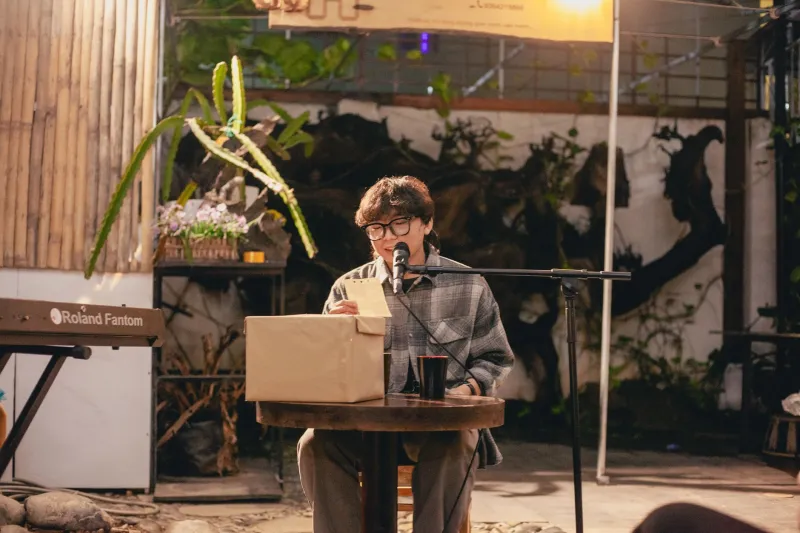
A translation night can go one of two ways. It can feel like a party where everyone is let in on a secret, or it can feel like a seminar where half the room is quietly hoping not to be called on. The difference is usually not the poems. It is the hosting.
This checklist is for bookstores, libraries, community centers, and living rooms. It assumes an audience that is curious but may not speak the source language. It also assumes you want people to leave feeling like they heard something, not like they missed the point.
Pick a pair, not a parade
Start with two short poems, or one poem in two translations. A pair gives the audience something to compare without exhausting them. It also gives the translator something concrete to talk about: a line break, a repeated sound, a word that had to be sacrificed, a word that had to be invented.
Avoid the survey approach. Five poets, four languages, and three translators in ninety minutes can be impressive, but it rarely leaves room for anyone to settle into a poem. Depth beats coverage at a translation night. One good pair can carry the whole evening.
Shape the evening like a conversation
A sixty-to-seventy-five-minute shape works well. Here is a simple sequence:
- Welcome and framing: five minutes. Say what the evening is, who is speaking, and why these poems were chosen.
- First poem, read in the source language: three to five minutes. Let the sound matter even if most listeners do not understand the words.
- First poem in translation: five minutes. Read it slowly. Do not apologize for the translation.
- Translator talk: eight to ten minutes. Ask the translator to name one choice and one uncertainty. Keep it specific.
- Second poem or second translation: ten to twelve minutes. Repeat the rhythm, but do not repeat the same talk.
- Open conversation: fifteen to twenty minutes. Ask questions that do not require language expertise.
- Close: two minutes. Thank people, point to the books, and invite them to stay.
This is a template, not a rule. The important thing is rhythm. Alternate listening and talking. Do not let the translator become a lecturer, and do not let the poems become background music for a panel.
Write program notes for listeners, not specialists
A one-page program note is enough. Include the poet's name, the translator's name, the source language, the title in the original if you have it, and three things to listen for. Keep the language plain. Avoid phrases like untranslatable, which sound like a warning label, and avoid long academic framing that tells people what they are supposed to feel.
Good program notes do a small job well: they give the audience a way in. For example: listen for the repeated word for river; notice how the translator keeps the sentences short; pay attention to where the poem turns from observation to address. That is more useful than a paragraph about historical context that no one can read in a dim room.
Handle rights, sound, and the boring stuff
Permissions matter. Public readings of translated poems may require permission from the translator or publisher, especially if the event is recorded or broadcast. Check before you print, post, or stream. If you are recording, get consent from everyone involved. If you are livestreaming, make sure the program notes and captions are ready before the event, not after.
Sound is not glamorous, but it decides whether people can hear. Use a microphone if the room is larger than a living room. Test it before the audience arrives. Ask readers to slow down. If the source language has sounds that are unfamiliar to the audience, ask the translator to say a few key names aloud during the introduction. That small move prevents a lot of silent guessing.
Print a few large-print copies of the program notes. Keep water nearby. Have a timer visible to the host, not to the audience. The goal is not military precision; it is enough structure that everyone can relax.
Invite non-specialists into the conversation
The worst question to ask a general audience is some version of do you speak the language. The best questions are about choices. Why this word instead of that one? What did the translator hear in the original that the audience cannot hear? Where did the translator have to make the English poem sound different from the source poem? These questions do not require fluency. They require attention.
Hosts can model this by asking the first question themselves. Keep it short and concrete. Then let the room breathe. If someone asks a specialist question, thank them and translate it into plainer terms. The translator can go deep, but the host should keep the door open for everyone else.
The living-room version
A living-room translation night can be even better than a bookstore event because it has no institutional pressure. Invite ten to fifteen people. Ask each person to bring a poem in translation they love, or simply bring a snack and listen. Put a lamp near the reader. Print the poems in large type. Keep the evening to one hour. The same sequence works: welcome, read, talk, read again, talk, stop.
The only real rule is hospitality. A translation night is not an exam on world literature. It is a chance to hear how poems travel and to meet the people who help them travel.
After the lights come up
Put the books on a table near the door. Thank the translator by name. Share the reading list if people ask. If you promised a recording, send it. If you did not record, that is fine. The evening already happened in the room.
A good translation night leaves the audience with one line they remember and one question they want to ask later. That is enough. The books will do the rest.